
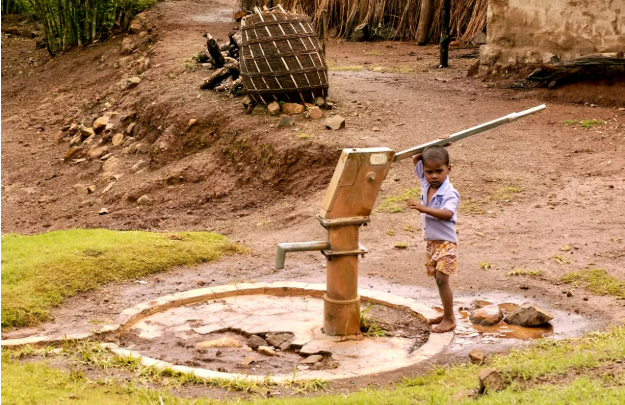
Relying on a public well as the main water source for your residence can seem like a practical and economical option. In many rural or semi-rural areas, shared wells provide access to groundwater without the expense of drilling a private system. However, before committing to a public well, homeowners must carefully evaluate safety, reliability, legal compliance, and long-term responsibilities. Water is essential for drinking, cooking, cleaning, and sanitation, so any uncertainty in quality or supply can directly impact your household’s health and comfort.
Taking time to assess key factors will help you make an informed and confident decision. Below are five important considerations before using a public well for your home.
1. Perform a Comprehensive Water Check
The most critical step before using a public well is conducting a detailed water check. Even clear and odorless water may contain harmful contaminants such as bacteria, nitrates, arsenic, or other heavy metals. Request recent laboratory test reports and confirm how often testing is performed.
Water should meet local health and environmental safety standards. If testing is outdated or inconsistent, consider arranging an independent analysis. Regular water tests ensure the supply remains safe for drinking and daily use, protecting your family from potential health risks.
2. Clarify Maintenance and Management Responsibilities
Public wells typically serve multiple households, which means maintenance duties may be shared. It is essential to understand who is responsible for inspections, repairs, pump servicing, and system upgrades. Some wells are managed municipalities, while others operate under homeowner associations or private agreements.
Clear documentation of maintenance schedules and responsibilities prevents misunderstandings. Proper management ensures the system remains functional and reduces the risk of contamination or unexpected breakdowns.
3. Verify Legal and Regulatory Compliance
Public wells must comply with local and state water safety regulations. Before relying on the system, confirm that it is properly licensed and routinely inspected relevant authorities. Ask for documentation demonstrating compliance with environmental standards and public health guidelines.
Ensuring regulatory approval not only protects your household but also reduces the risk of legal or financial complications in the future. Compliance indicates that the well operates under recognized safety protocols.
4. Assess Water Capacity and System Reliability
Water availability and pressure are crucial for daily living. A public well serving several homes must have sufficient capacity to meet demand, especially during peak usage times. Seasonal changes, drought conditions, or mechanical failures can affect supply levels.
Ask about backup systems and emergency plans in case of outages. Understanding the well’s reliability helps you prepare for potential disruptions and ensures consistent access to water.
5. Consider Long-Term Financial Implications
Although public wells can reduce initial installation costs, ongoing expenses should not be overlooked. Maintenance contributions, testing fees, equipment upgrades, and repair costs may be shared among users.
Review any written agreements outlining financial obligations. Planning for these long-term costs helps avoid unexpected expenses and ensures the sustainability of the shared system.
Conclusion
Choosing to use a public well for your residence requires careful evaluation of safety, management, compliance, reliability, and financial responsibility. By conducting a thorough water test, clarifying maintenance duties, verifying regulations, assessing system capacity, and reviewing long-term costs, you can make a well-informed decision. Proper research and preparation will help secure a dependable and safe water source for your household.