




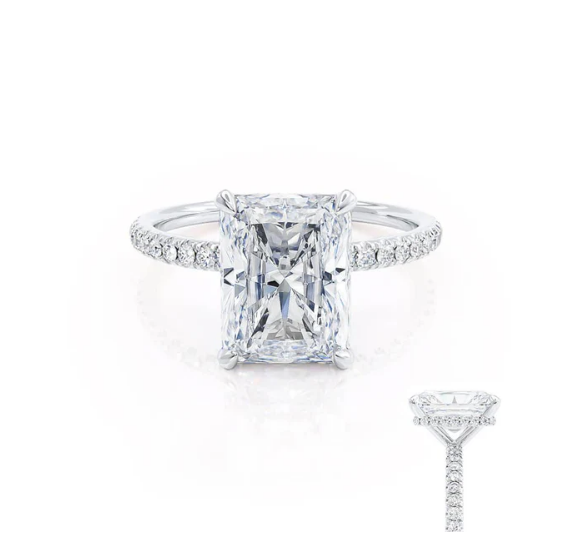
In a marketplace filled with fast fashion, mass production, and short lived designs, many shoppers are returning to brands and makers that focus on quality and intention. This shift has encouraged greater appreciation for handcrafted items and durable goods, with names like lily arkwright illustrating how consumers gravitate toward authenticity, craftsmanship, and long term value. […]
In a marketplace filled with fast fashion, mass production, and short lived designs, many shoppers are returning to brands and makers that focus on quality and intention. This shift has encouraged greater appreciation for handcrafted items and durable goods, with names like lily arkwright illustrating how consumers gravitate toward authenticity, craftsmanship, and long term value. As buyers grow more conscious of what they bring into their lives, the appeal of carefully made, long lasting pieces continues to rise for several meaningful reasons.
One of the primary motivations behind the trend is a renewed desire for connection. Handcrafted items often carry a sense of story, reflecting the time, effort, and skill poured into each piece. When consumers choose something made by hand, they are not simply purchasing an object. They are acknowledging the human touch behind it. This creates a sense of emotional resonance and personal significance that mass produced goods rarely provide. It becomes easier to value and care for something that feels unique rather than disposable.
Durability is another driving factor. Long lasting pieces are created with purpose, using materials chosen for their strength and longevity. In an era when many products are designed to wear out quickly, consumers are increasingly frustrated by waste and constant replacement cycles. Investing in something that will stand the test of time is both practical and satisfying. It reduces the need for repeated purchases and aligns with a growing awareness of sustainable consumption. People want fewer items that last longer instead of more items that quickly fall apart.
Sustainability also plays a major role in shaping modern buying habits. Handcrafted and long lasting goods typically come from small scale makers who use responsible sourcing methods and minimize excess production. Choosing these pieces helps reduce environmental impact and supports a more thoughtful, less wasteful approach to consumerism. As people become more aware of how their choices influence the world around them, they increasingly prefer products that reflect their values.
Beyond quality and sustainability, handcrafted pieces often offer a level of individuality that mass produced items cannot. Shoppers enjoy the subtle variations found in handmade work. Instead of identical copies rolling off an assembly line, each piece carries its own character. This uniqueness makes the item feel more personal and special, which enhances the emotional satisfaction buyers experience when using or wearing it.
Supporting independent artisans and small businesses is another important reason consumers appreciate handcrafted goods. People recognize the significance of supporting skilled makers who dedicate themselves to their craft. These purchases directly strengthen local economies and help keep traditional skills alive. Buyers feel proud knowing their choice contributes to the livelihood of artists, jewelers, woodworkers, and other specialists who maintain craftsmanship as a meaningful practice.
Finally, long lasting handcrafted pieces tend to age gracefully. Materials such as solid wood, fine metals, natural fibers, and well made ceramics develop character over time. Instead of deteriorating quickly, they gain a patina that reflects their history and the life of the owner. This aging process enhances their beauty and deepens the personal connection between the consumer and the item.
Overall, the rising appreciation for handcrafted, enduring pieces reflects a broader cultural shift. More and more people want items that offer substance rather than short term novelty. They seek meaning, authenticity, and longevity in the things they choose to bring into their lives. As this preference continues to grow, brands and makers who value craftsmanship and durability remain especially relevant to today’s conscious consumers.