
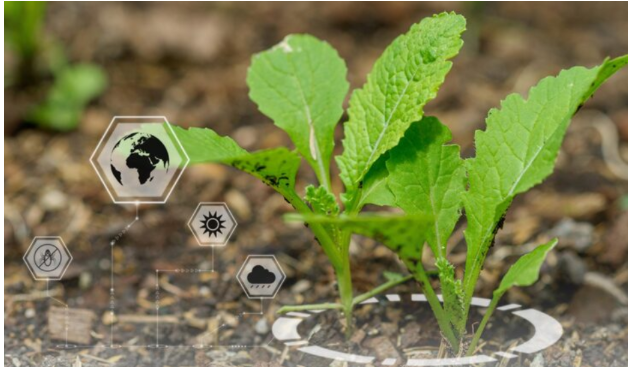
Farming has always been a critical part of human life, providing food and resources for millions of people around the world. As the global population grows, farmers face increasing challenges to produce more food while keeping soil healthy. One of the most promising solutions is the use of nanotechnology in farming. This innovative approach is helping improve fertilizers and soil management, making agriculture more efficient and sustainable.
Understanding Nanotechnology in Farming
Nanotechnology involves working with materials at a very small scale, often at the level of atoms and molecules. In farming, it means designing tiny particles that can interact with plants and soil in precise ways. These nanoparticles can carry nutrients directly to plants, protect them from pests, or improve the way soil retains water and nutrients. Using nanotechnology in farming allows farmers to target their crops more effectively, reducing waste and enhancing growth.
Enhancing Fertilizers with Nanotechnology
Traditional fertilizers often release nutrients too quickly or unevenly, which can lead to nutrient loss and environmental pollution. Nanotechnology helps create “smart fertilizers” that release nutrients slowly and in a controlled way. These fertilizers use nanoparticles to carry essential elements such as nitrogen, phosphorus, and potassium directly to the plant roots. This method improves nutrient absorption, reduces the amount of fertilizer needed, and minimizes harmful runoff into rivers and lakes. As a result, farmers can achieve better crop yields while protecting the environment.
Improving Soil Health
Healthy soil is the foundation of productive farming. Nanotechnology can play a major role in improving soil quality. Nanoparticles can help regulate soil pH, enhance water retention, and increase the availability of nutrients. Certain nanomaterials can even bind to toxic substances in the soil, reducing their harmful effects on plants. By improving soil structure and nutrient content, nanotechnology in farming ensures that crops grow stronger and more resilient to stress caused drought or poor soil conditions.
Pest and Disease Management
In addition to fertilizers and soil health, nanotechnology is helping farmers manage pests and diseases more efficiently. Nanoparticles can be used to deliver pesticides in a precise manner, reducing the total chemical use and limiting damage to beneficial organisms. This precision helps maintain a healthier ecosystem in the farmland and reduces chemical residues in crops. With nanotechnology, farmers can protect their crops without relying heavily on traditional chemical sprays that may harm the environment.
Environmental Benefits
The use of nanotechnology in farming is not only beneficial for crops and soil but also for the environment. Controlled-release fertilizers and precise pesticide delivery reduce pollution of water sources and decrease greenhouse gas emissions associated with agriculture. Furthermore, improving nutrient efficiency, nanotechnology reduces the need for large amounts of fertilizers, which often require energy-intensive production. Overall, nanotechnology contributes to more sustainable and eco-friendly farming practices.
Future Prospects of Nanotechnology in Agriculture
The potential of nanotechnology in farming is enormous. Researchers are developing nanoparticles that can monitor soil conditions, detect plant diseases early, and even improve seed germination. As these technologies become more affordable and accessible, they are expected to transform the way we grow food. Farmers can look forward to higher yields, healthier soil, and reduced environmental impact through the intelligent use of nanotechnology.
Conclusion
Nanotechnology in farming is revolutionizing agriculture enhancing fertilizers, improving soil health, and reducing environmental impact. By delivering nutrients and pesticides more precisely, it supports stronger crops and a more sustainable approach to farming. As research continues, the use of nanotechnology promises to make farming more efficient, productive, and environmentally friendly, offering solutions for the challenges of modern agriculture.