
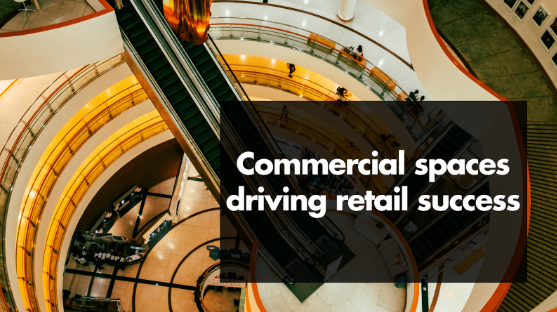
The landscape of modern retail is rapidly evolving, and creating spaces that are both functional and engaging has never been more critical.Retail Construction now recognize that a well-designed retail environment is more than a place to sell products—it is an immersive experience that drives customer engagement, loyalty, and profitability. Strategic design, efficient layout planning, and innovative construction techniques all play a vital role in ensuring that commercial spaces become high-performing retail destinations.
The Importance of Thoughtful Space Planning
Effective retail design starts with careful space planning. A layout that maximizes foot traffic while providing clear sightlines to products enhances customer experience and encourages purchases. From entryways to checkout counters, every section of a store must guide customers intuitively through the shopping journey.
Modern retailers increasingly rely on insights and analytics to inform spatial decisions. Understanding customer behavior, peak traffic hours, and shopping patterns allows for the creation of an environment that meets both operational needs and consumer expectations. Stores that are organized, comfortable, and visually appealing tend to see higher conversion rates and stronger customer satisfaction.
Balancing Aesthetics With Functionality
In today’s competitive market, visual appeal is a powerful tool. Attractive design elements, lighting, and materials draw customers in, while functional layout and efficient operations keep them engaged. Achieving this balance requires expertise in both architectural design and construction execution.
A professional Retail Construction company ensures that the design vision translates seamlessly into reality. This involves selecting durable materials, optimizing lighting, integrating display systems, and coordinating construction schedules to avoid delays. By combining aesthetics with operational functionality, retail spaces not only look appealing but also perform efficiently, creating a positive impact on sales and brand perception.
Incorporating Technology for Modern Retail Experiences
Technology is now an integral part of modern retail. Digital displays, interactive kiosks, smart mirrors, and automated checkout systems enhance the shopping experience and make operations more efficient. Integrating technology into store design allows businesses to engage customers on multiple levels, personalize experiences, and streamline processes.
Beyond customer engagement, technology supports inventory management, analytics, and operational efficiency. Automated systems track stock levels, monitor product performance, and generate insights that guide business decisions. Integrating these tools during the construction and design phase ensures that the retail environment is future-ready, adaptable, and capable of supporting growth.
Flexibility for Changing Market Demands
Retail trends and consumer preferences are constantly evolving. Spaces designed for adaptability allow businesses to respond quickly to seasonal changes, promotional campaigns, or new product lines. Modular fixtures, movable displays, and flexible layouts make it possible to refresh the store environment without significant downtime or cost.
This flexibility also benefits operational efficiency. Staff can rearrange layouts to optimize workflow, improve inventory access, and manage crowd flow during peak times. Adaptable retail spaces provide a long-term advantage, ensuring that commercial environments remain relevant and engaging as the market evolves.
Sustainability and Long-Term Performance
Sustainability is increasingly influencing retail construction decisions. Environmentally responsible materials, energy-efficient lighting, and water-saving systems contribute to a reduced carbon footprint while creating a healthier environment for customers and employees. Sustainable practices also resonate with consumers who value eco-conscious brands, enhancing brand loyalty and reputation.
A well-executed retail space balances sustainability with durability. Thoughtful design choices ensure that the construction not only meets current operational needs but also remains functional and attractive for years to come. Retailers gain long-term value through lower maintenance costs and enhanced efficiency.
Enhancing Customer Engagement Through Design
Every element of a retail space contributes to the customer experience. Lighting, color schemes, textures, signage, and spatial flow all work together to create an environment that encourages interaction, exploration, and purchase. Well-designed stores make it easy for customers to navigate, discover new products, and feel comfortable during their visit.
Retailers increasingly invest in experiential elements, such as interactive displays, demonstration areas, and thematic design concepts. These additions strengthen emotional connections with the brand, turning a simple shopping trip into a memorable experience. Successful commercial spaces are those where customers not only buy products but also engage with the brand on multiple sensory levels.
Conclusion
Transforming commercial spaces into profitable retail destinations requires a careful blend of design, functionality, technology, and adaptability. By integrating thoughtful space planning, innovative construction methods, and technology-driven solutions, retailers can create environments that attract, engage, and retain customers effectively. With the guidance and expertise of a trusted dubai construction company, businesses can ensure that their retail spaces remain not only visually appealing but also operationally efficient and future-ready, positioning themselves for long-term growth and success.