
Operating a successful industrial facility requires a diverse array of specialized services to keep production lines running at peak performance. From initial component design to the final protective finishes, each stage of your manufacturing process depends on high-quality support.
Identifying the right partners for these technical tasks is essential for maintaining productivity, safety, and product quality in a competitive market.
By integrating professional services into your operational strategy, you can overcome complex technical challenges and focus on your core business goals. This article explores the vital services that every modern industry needs to ensure smooth, efficient, and reliable output.
Enhancing Component Durability Through Reliable Powder Coating Services
Surface protection is a critical factor in determining how well your products hold up against harsh environmental conditions. Investing in premium powder coating services provides a superior, long-lasting finish that is significantly more resistant to chips, scratches, and corrosion than traditional liquid paints.
This process creates a thick, uniform layer that protects metal parts from rust and oxidation, which is vital for components that must function in outdoor or industrial settings.
By outsourcing this service to experts, you benefit from consistent quality control and a wide range of aesthetic options. A well-coated product not only performs better in the field but also looks professional, which enhances the overall reputation of your brand.
Achieving Structural Precision With Expert Metal Fabrication
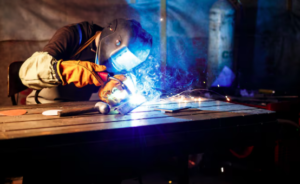
Every industrial machine or assembly depends on accurately manufactured parts. Facility infrastructure relies on metal fabrication, which involves the cutting, bending, and welding of raw materials into functional components.
Whether you need custom brackets, heavy-duty frames, or specialized machinery parts, partnering with a professional service ensures that every piece is built to exact tolerances.
Precision in this area prevents mechanical failures and ensures that your systems align perfectly during assembly.
By relying on experienced fabricators, you reduce the time spent on manual adjustments, there accelerating your production speed and maintaining the highest standards of safety for your equipment.
Implementing Rigorous Preventive Maintenance Programs
Maintenance is the most effective tool for preventing costly downtime. Hiring professional technicians to conduct regular inspections of your machinery ensures that small issues are caught before they turn into major breakdowns.
These services involve lubricating moving parts, tightening fasteners, and monitoring electrical connections.
Keeping a detailed history of your equipment performance allows you to predict when parts need replacing, which helps you plan service outages during non-productive hours, keeping your overall operations moving without unexpected interruptions.
Ensuring Operational Safety With Regular System Audits
Industrial environments must strictly adhere to safety regulations to protect personnel and property. Professional safety auditing services provide an objective assessment of your facility, identifying potential fire hazards, electrical risks, or structural weaknesses that your internal team might overlook.
Routine audits keep your business compliant with industry standards and help you foster a culture of safety. By addressing these risks proactively, you prevent accidents that could lead to significant liabilities and temporary closure of your manufacturing floor.
Leveraging Automation Support For Process Optimization
Modern manufacturing increasingly relies on automated systems to improve speed and consistency. Bringing in consultants to audit your production flow can help you identify areas where automation would provide the highest return on investment.
These services include installing robotic arms, sensors, and data-monitoring software. Optimizing your production lines through automation reduces human error, increases throughput, and allows your staff to focus on more complex tasks, ultimately driving higher profitability for your industry.