



Lighthouse Learning Microschool: A Fresh Approach to Modern Education Families today are searching for learning environments that provide flexibility, personal attention, and meaningful academic experiences. Lighthouse Learning Microschool represents a modern educational model that focuses on smaller class sizes, individualized instruction, and stronger connections between students and educators. As education continues to evolve, many parents […]
Lighthouse Learning Microschool: A Fresh Approach to Modern Education
Families today are searching for learning environments that provide flexibility, personal attention, and meaningful academic experiences. Lighthouse Learning Microschool represents a modern educational model that focuses on smaller class sizes, individualized instruction, and stronger connections between students and educators. As education continues to evolve, many parents are recognizing the value of learning spaces that encourage curiosity, confidence, and real world problem solving instead of relying solely on traditional classroom structures.
Understanding the Microschool Model
A microschool is a small educational community designed to offer personalized learning experiences. Unlike large schools where teachers may have limited time for each student, microschools create an environment where every learner receives focused guidance.
Students often benefit from flexible schedules, project based learning, and opportunities to explore subjects at their own pace. Teachers are able to adapt lessons according to each student’s strengths, learning style, and academic goals.
This approach promotes deeper understanding rather than simple memorization. Learners are encouraged to ask questions, collaborate with peers, and develop critical thinking skills that support lifelong success.
Personalized Learning Makes a Difference
One of the greatest strengths of a microschool is its commitment to individualized education. Every student learns differently, and personalized instruction helps ensure that no child is left behind or held back by a one size fits all curriculum.
Teachers can regularly assess progress and make adjustments whenever needed. This flexibility allows students to spend additional time on challenging topics while moving ahead in subjects where they demonstrate confidence.
Personalized education also helps build self esteem because students experience success through lessons designed around their unique abilities.
Small Learning Communities Encourage Growth
Smaller class sizes create stronger relationships between educators, students, and families. Teachers become familiar with each learner’s interests, challenges, and goals, allowing them to provide meaningful support throughout the educational journey.
Students often feel more comfortable participating in discussions, asking questions, and sharing ideas in a close knit environment. These interactions strengthen communication skills while encouraging active participation in daily learning.
Parents also appreciate having direct communication with educators, making it easier to stay informed about academic progress and classroom activities.
Learning Beyond Traditional Classrooms
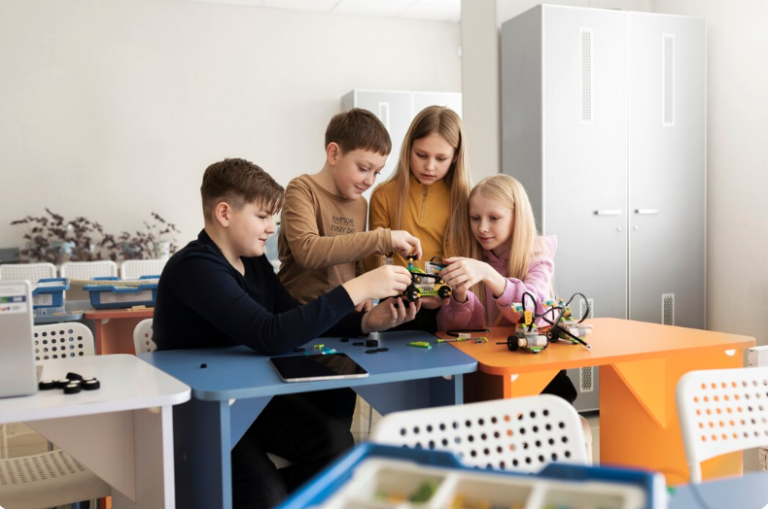
Modern education extends well beyond textbooks and lectures. Microschools frequently incorporate hands on projects, creative assignments, technology integration, and collaborative activities that connect classroom concepts to everyday life.
Students may participate in science experiments, community projects, creative writing, public speaking, coding activities, art, music, or entrepreneurship initiatives. These experiences help develop practical skills that prepare learners for future educational and career opportunities.
Real world learning also encourages curiosity, helping students understand how academic knowledge applies outside the classroom.
Building Independence and Responsibility
Microschools often emphasize student ownership of learning. Rather than depending entirely on teacher directed instruction, learners are encouraged to set goals, manage projects, and reflect on their own progress.
This approach develops important life skills including:
- Time management
- Problem solving
- Independent thinking
- Collaboration
- Communication
- Self motivation
- Leadership
These abilities remain valuable throughout higher education and future careers.
Flexible Learning for Modern Families
Many families appreciate educational environments that adapt to changing lifestyles. Flexible scheduling and customized learning plans allow students to balance academics with extracurricular interests, sports, creative pursuits, or specialized learning opportunities.
This flexibility can also reduce unnecessary stress by allowing instruction to match each student’s pace without sacrificing educational quality.
Parents gain confidence knowing their children receive focused attention while maintaining a healthy balance between education and personal development.
Encouraging Creativity and Innovation
Creative thinking plays an important role in preparing students for a rapidly changing world. Microschools often integrate project based learning that allows students to explore ideas through research, collaboration, experimentation, and presentation.
Instead of simply completing assignments, learners become active participants in discovering solutions and expressing original ideas. These experiences nurture innovation while strengthening analytical and communication skills.
Students also gain confidence when they see their ideas valued within supportive learning communities.
Strong Character Development
Academic achievement is only one part of a well rounded education. Many microschools place equal importance on developing character, responsibility, empathy, and resilience.
Students learn to work respectfully with classmates, resolve conflicts constructively, and support one another during collaborative projects. These experiences contribute to emotional growth alongside academic success.
Positive relationships with educators also create an environment where students feel safe taking intellectual risks and learning from mistakes.
Preparing Students for Future Success
Today’s learners need more than strong grades. They must develop adaptability, creativity, communication, and problem solving abilities that prepare them for college, careers, and lifelong learning.
Microschools help students build these essential competencies through personalized instruction, meaningful projects, collaborative learning, and continuous feedback. Graduates often leave with confidence in both their academic abilities and personal growth.
As education continues to evolve, smaller learning communities provide an effective alternative for families seeking individualized support and engaging educational experiences.
Conclusion
Selecting the right educational environment can have a lasting impact on a child’s academic journey and personal development. Families looking for personalized instruction, meaningful relationships, and flexible learning opportunities often discover that smaller educational communities provide an ideal setting for growth. Whether parents are researching innovative programs or searching online for a microschool near me, understanding the benefits of individualized education can help them make informed decisions that support their child’s long term success.