
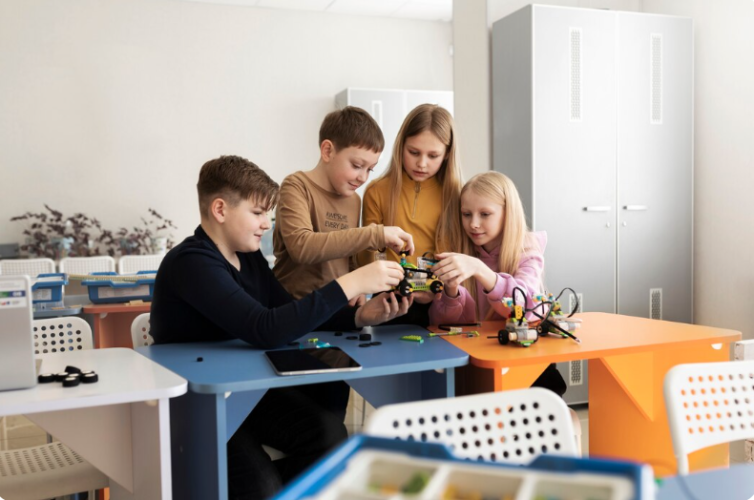
Families exploring alternatives to traditional classrooms may consider Lighthouse Learning Microschool when looking for a learning environment that emphasizes smaller groups, individualized attention, and hands-on experiences. Microschools can offer a different educational structure by creating a more focused setting where students can receive personalized support while developing academic and practical skills.
What Makes a Microschool Different
Microschools typically serve smaller groups of students than conventional schools. This smaller setting can allow educators to understand individual learning needs more closely and adjust instruction accordingly.
Rather than relying exclusively on one teaching approach, learning activities may be adapted to students’ interests, abilities, and progress.
Benefits of Smaller Learning Groups
A smaller classroom environment can provide several potential advantages:
- More individualized teacher attention
- Greater opportunities for participation
- Flexible learning activities
- Stronger classroom relationships
- More focused academic support
- Opportunities for collaborative projects
Students may also have more opportunities to ask questions and participate actively in discussions.
Learning Through Practical Experiences
Hands-on learning can make academic concepts easier to connect with real-world situations. Projects, experiments, creative activities, and collaborative assignments can encourage students to apply what they learn rather than simply memorize information.
This approach can also support problem-solving, communication, creativity, and independent thinking.
A More Flexible Educational Environment
Microschools may offer flexibility in how lessons are organized and delivered. Educators can potentially adjust activities based on student progress and provide additional support when a concept requires more attention.
For families, this can create an educational experience that feels more individualized than a highly standardized classroom structure.
What Families Should Consider
Parents researching alternative education options should look beyond the classroom size. Consider the curriculum, teaching approach, educator experience, student support, daily schedule, learning environment, and communication with families.
It is also useful to understand how academic progress is monitored and how the program supports students with different learning needs.
Finding Local Microschool Options
Families interested in a microschool near me can begin by researching nearby programs and comparing their educational approaches. Visiting a school, speaking with educators, and asking about classroom routines can provide a clearer understanding of whether the environment fits a student’s needs.
Questions about enrollment, tuition, schedules, curriculum, and student expectations can also help families make an informed choice.
Supporting Student Growth
A supportive learning environment can encourage students to become more engaged with their education. Smaller groups and personalized instruction may create more opportunities for students to develop confidence, explore interests, and receive feedback.
The right educational setting ultimately depends on the individual student’s needs, learning preferences, and family priorities.
Final Thoughts
Microschools offer an alternative approach to education by emphasizing smaller learning communities, personalized support, and practical experiences. Families can explore different programs, compare educational philosophies, and visit potential schools before making a decision. Taking time to understand the learning environment and student support available can help families find an educational option that aligns with their goals.