



Every child deserves an educational experience that supports curiosity, confidence, and academic growth. For families looking beyond traditional classrooms, a microschool can offer a more personalized approach to learning, with smaller groups, closer teacher relationships, and engaging educational activities. A microschool longwood option may appeal to parents who want their children to receive individualized attention […]
Every child deserves an educational experience that supports curiosity, confidence, and academic growth. For families looking beyond traditional classrooms, a microschool can offer a more personalized approach to learning, with smaller groups, closer teacher relationships, and engaging educational activities. A microschool longwood option may appeal to parents who want their children to receive individualized attention while enjoying the benefits of a supportive learning community. By combining structured academics with opportunities for creativity and exploration, this educational model can help children develop essential skills while discovering their interests and strengths.
Choosing the right learning environment requires understanding your child’s academic needs, personality, and preferred learning style. Some children benefit from additional guidance, while others need more flexibility or opportunities to explore subjects beyond standard classroom lessons. A suitable program should help students progress academically while encouraging independence and positive relationships.
Personalized Learning for Individual Growth
One advantage of smaller learning environments is the opportunity for teachers to understand students more closely. With fewer students in a group, educators may have more opportunities to recognize individual strengths, identify learning gaps, and adjust instruction according to progress.
Personalized learning can help children strengthen foundational skills in reading, writing, mathematics, and other subjects. Students may receive additional practice when they find a topic challenging and more advanced activities when they are ready for greater challenges.
At Lighthouse Learning Microschool, the educational approach emphasizes individualized, mastery-based instruction and small-group learning. Families can explore the school’s official website to learn about its academic pathways and enrichment opportunities. The school serves kindergarten through eighth-grade students in Longwood, Florida.
Combining Academics With Hands-On Activities
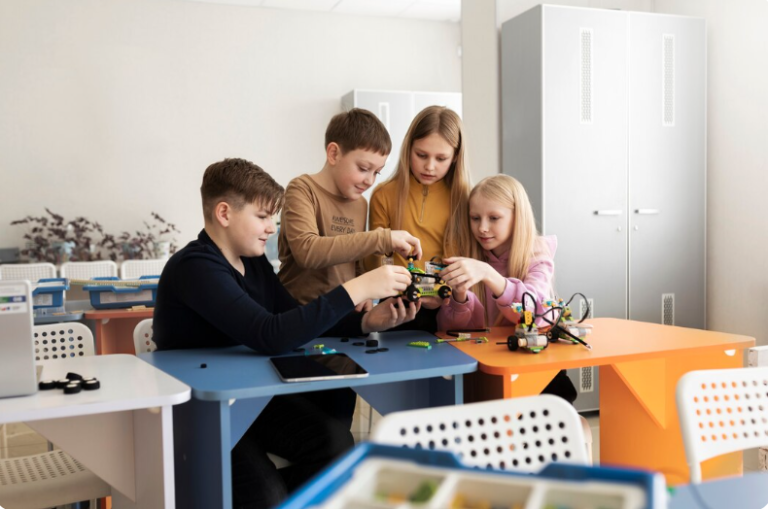
Children often understand new concepts more effectively when they can apply them through practical experiences. Hands-on projects, creative assignments, science activities, and collaborative tasks can make learning more interesting while encouraging critical thinking.
Enrichment activities also allow students to discover interests outside traditional academic subjects. Art, music, physical education, and project-based experiences can support creativity, communication, and problem-solving skills.
A balanced educational program gives students opportunities to learn independently and work with others. These experiences can help children become more confident when sharing ideas, asking questions, and approaching unfamiliar challenges.
Parents should ask how enrichment activities fit into the academic schedule and whether the program offers opportunities that match their child’s interests.
Flexible Education for Modern Families
Families have different schedules and educational priorities. Some want a structured academic program throughout the week, while others prefer to continue teaching at home and use a school environment for selected subjects or enrichment activities.
Flexible educational pathways can help families balance these preferences. Depending on the program, students may attend academic sessions on designated days, participate in additional enrichment, or combine classroom instruction with home-based learning.
Lighthouse Learning offers several pathways that combine academic instruction and enrichment in different ways. Parents can review the available schedules, grade-level options, and enrollment requirements through the school’s hybrid learning information.
Before enrolling, families should understand the responsibilities associated with their chosen educational arrangement and confirm that the program meets their child’s needs.
Supporting Social Skills and Confidence
Academic progress is only one part of childhood development. Children also need opportunities to build friendships, communicate effectively, cooperate with others, and learn how to manage challenges.
A smaller educational community can provide opportunities for meaningful interaction between students and teachers. Group projects, discussions, shared activities, and collaborative problem-solving can help children practice important social skills.
Supportive educators can also encourage students to approach mistakes as opportunities to learn. When children receive constructive feedback and appropriate guidance, they can gradually develop resilience and greater confidence in their abilities.
Parents should consider how a program supports both academic learning and social development when evaluating educational options.
Choosing the Right Program for Your Child
Before making a decision, consider your child’s learning goals, preferred schedule, academic requirements, and need for individual support. Visiting the school and speaking with educators can provide a clearer understanding of the daily learning experience.
Ask about class sizes, curriculum, progress reports, tuition, enrollment procedures, and available enrichment activities. It is also helpful to understand how teachers communicate with families and respond when students need additional assistance.
Comparing these details can help you determine whether a program offers the right balance of structure, flexibility, and personalized attention.
Final Thoughts
Finding the right educational environment can help children develop strong academic foundations, discover new interests, and build lasting confidence. Smaller learning communities and flexible educational pathways may provide a valuable alternative for families seeking a more personalized experience. Exploring hybrid homeschool programs near me can help parents discover options that combine structured instruction, hands-on enrichment, and opportunities for social development. By researching available programs, discussing individual needs with educators, and reviewing enrollment details, families can make informed decisions about their children’s educational future.